
 KSCN
KSCN
Articles
- Page Path
- HOME > Korean J Community Nutr > Volume 31(4); 2026 > Article
-
Research Article
어린이·사회복지급식관리지원센터 영유아 대상 사업의 평가지표 현황 분석 및 논리모형 기반 성과평가체계 개발 -
박소현1)
 , 오지은2), 유현주3), 황지윤4), 김기랑5),†
 - Analysis of evaluation indicators and development of a logic model-based performance evaluation framework for early childhood programs in the Center for Children’s and Social Welfare Foodservice Management in South Korea: a mixed-methods study
-
Sohyun Park1), Jieun Oh2), Hyun Joo Ryou3), Ji-Yun Hwang4), Kirang Kim5),†
-
Korean Journal of Community Nutrition 2026;31(4):360-373.
DOI: https://doi.org/10.5720/kjcn.2026.00122
Published online: August 31, 2026
1)한림대학교 식품영양학과 및 한국영양연구소 교수
2)이화여자대학교 신산업융합대학 교수
3)사단법인 식생태문화협회 이사
4)상명대학교 식품영양학전공 교수
5)단국대학교 식품영양학과 교수
1)Professor, Department of Food Science and Nutrition & The Korean Institute of Nutrition, Hallym University, Chuncheon, Korea
2)Professor, College of Science and Industry Convergence, Ewha Womans University, Seoul, Korea
3)Director, The Ecological Eating and Culture Association, Seoul, Korea
4)Professor, Major of Foodservice Management and Nutrition, Sangmyung University, Seoul, Korea
5)Professor, Department of Food Science and Nutrition, Dankook University, Cheonan, Korea
- †Corresponding author: Kirang Kim Department of Food Science and Nutrition, Dankook University, 119 Dandae-ro, Dongnam-gu, Cheonan 31116, Korea Tel: +82-41-550-3472 Fax: +82-41-559-7955 Email: kirangkim@dankook.ac.kr
• Received: March 26, 2026 • Revised: May 13, 2026 • Accepted: June 15, 2026
© 2026 The Korean Society of Community Nutrition
This is an Open-Access article distributed under the terms of the Creative Commons Attribution Non-Commercial License (https://creativecommons.org/licenses/by-nc/4.0) which permits unrestricted non-commercial use, distribution, and reproduction in any medium, provided the original work is properly cited.
- 222 Views
- 6 Download


Abstract
-
Objectives
- This study analyzed the current evaluation indicators used for early childhood programs by the Center for Children’s and Social Welfare Foodservice Management (CCFSM) in South Korea and developed a logic model-based performance evaluation framework to improve the system through outcome-oriented assessment.
-
Methods
- The study comprised four stages. First, existing on-site evaluation indicators were mapped onto a logic model framework to assess their suitability for evaluating program effectiveness. Second, focus group interviews were conducted with stakeholders and experts to examine their understanding of, and perceived limitations in, the current evaluation system. Third, new outcome indicators were developed using checklist items for hygiene, safety, and nutrition management implemented across centers, and program effectiveness was evaluated using these indicators. Fourth, additional indicators were developed to assess the effectiveness of child-targeted nutrition and dietary education programs, and their practical applicability was examined.
-
Results
- The current evaluation indicators focused primarily on structural (input) and process measures, with limited emphasis on outcomes reflecting the ultimate program goals. Few indicators directly assessed improvements in children’s health and dietary behaviors, and existing outcome measures relied largely on subjective satisfaction surveys completed by facility directors and parents. Based on the logic model, the proposed outcome indicators included, in the mid-term, improvements in hygiene, safety, and healthy eating practices scores, and, in the long-term, reductions in foodborne illness and food allergy incidents, increased fruit and vegetable intake, and decreased sodium and sugar intake.
-
Conclusion
- The findings highlight the need to transition the CCFSM evaluation system toward a performance-oriented framework. A logic model-based evaluation system would improve accountability and better align evaluation practices with policy objectives, whereas phased implementation would help minimize operational burden on practitioners.
INTRODUCTION
METHODS
1) 기존 어린이·사회복지급식관리지원센터 사업 평가 항목의 적절성 평가: 논리 모형 적용
2) 센터 영유아 사업의 이해관계자 및 전문가 대상의 포커스그룹 조사
3) 급식소의 위생·안전관리 및 영양관리 체크리스트 점수 분석
4) 영유아 대상 식생활 교육의 효과를 평가하기 위한 지표 선정 및 적용
5) 어린이·사회복지급식관리지원센터 영유아 사업 효과 평가를 위한 체계 개발
RESULTS
DISCUSSION
-
CONFLICT OF INTEREST
There are no financial or other issues that might lead to conflict of interest.
-
FUNDING
This research was supported by a grant from Ministry of Food and Drug Safety in 2024 (Grant No. 24192MFDS075).
-
ACKNOWLEDGEMENTS
The authors are thankful for all the participants in this study.
-
DATA AVAILABILITY
Research data is available upon request to the corresponding author.
NOTES
Fig. 1.Four-stage research procedure. FGI, focus group interview; ANOVA, analysis of variance; SPSS, Statistical Package for the Social Sciences; HEPQ, Healthy Eating Practices Questionnaire.
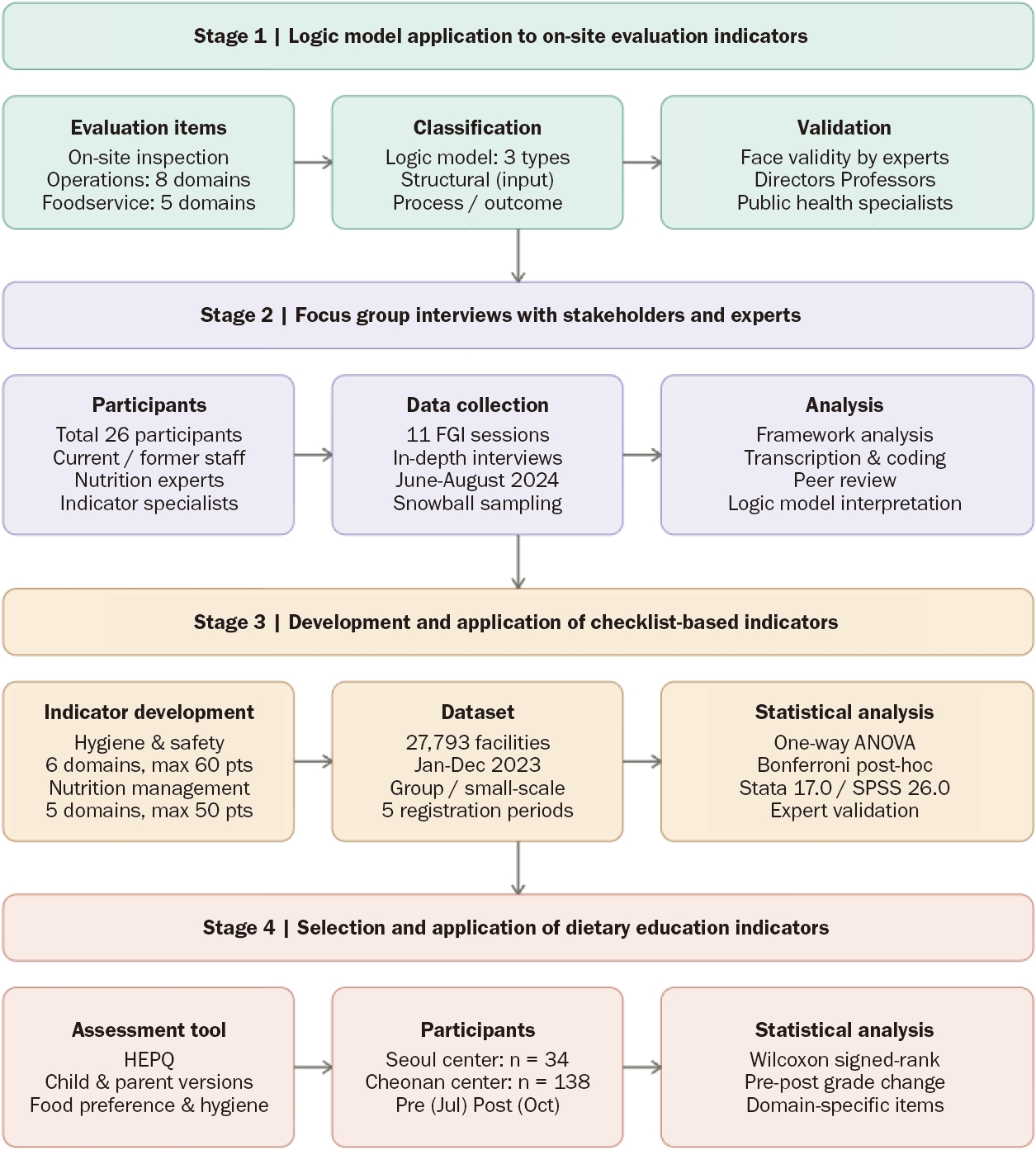
Fig. 2.On-site evaluation form for the center programs in 2025. Based on the 2023 guideline for the Center for Children’s and Social Welfare Foodservice Management.
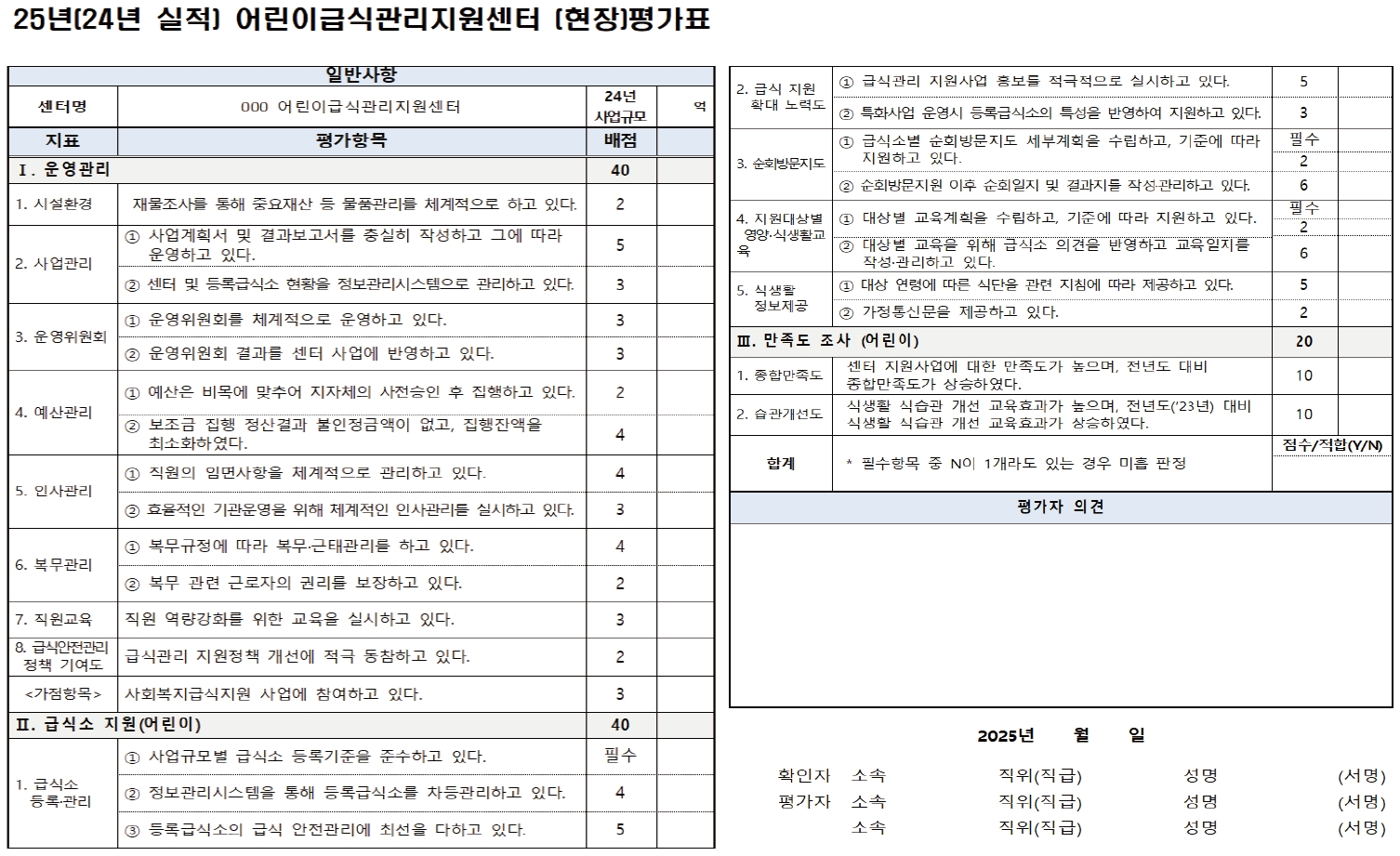
Fig. 3.Effectiveness of dietary and nutrition education programs for children based on healthy eating practice scores. The P-values for the change between pre- and post-survey grades were obtained using the Wilcoxon signed-rank test. Declined, participants whose grade decreased from pre- to post-survey; Maintained, participants whose grade remained the same; Improved, participants whose grade increased.
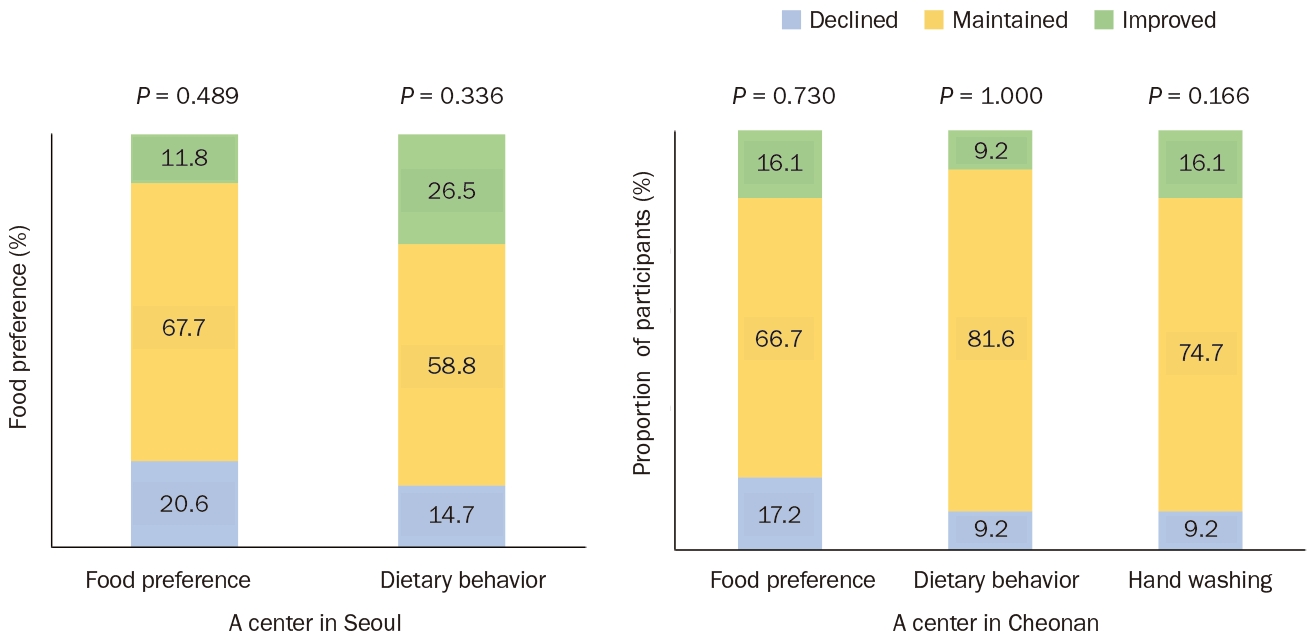
Fig. 4.Proposed evaluation framework and indicators of Center for Children’s and Social Welfare Foodservice Management for children.
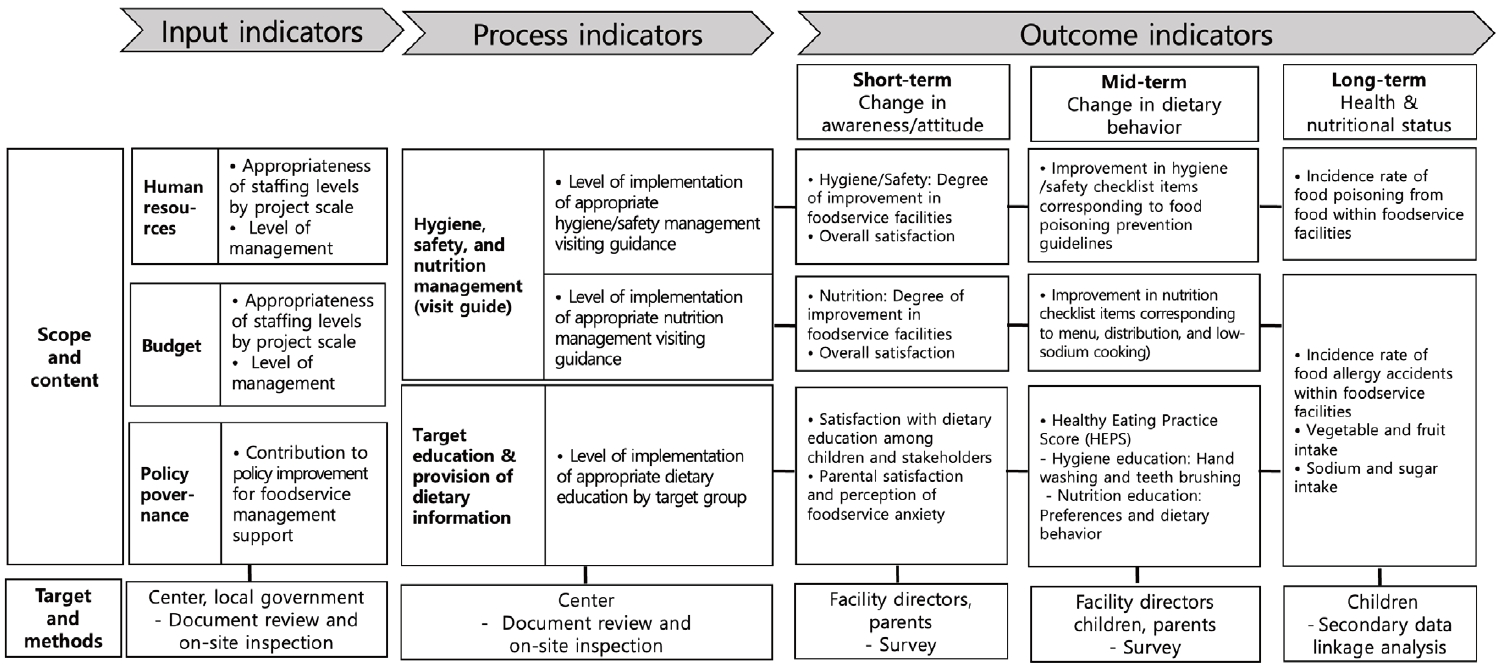
Table 1.Evaluation indicators based on checklist scores for hygiene, safety, and nutrition management
| Category | Checklist items1) | Score for group foodservice facilities | Score for small-scale foodservice facilities | Rescaling (maximum score) |
|---|---|---|---|---|
| Hygiene and safety management indicators (6 items for food poisoning prevention) | ||||
| Hand washing | Verification of personal hygiene management of food handlers | 3-1-0 | 4-2-0 | 10 |
| Water quality | Water used for cooking and washing food meets drinking water quality standards | 2-0 | 4-0 | 10 |
| Proper food preparation | Designated knives and cutting boards for fish, meat, and vegetables | 3-1-0 | 4-2-0 | 10 |
| Cleaning and sanitizing | Kitchen utensils (e.g., cleaning cloths, spoons, chopsticks, tableware, containers, cutting boards, knives, and towels) are properly sanitized | 2-1-0 | 4-2-0 | 5 |
| Cleaning and sanitizing | When washing vegetables and fruits, detergents approved under the Hygiene Products Control Act are used, and only food additive–approved sanitizers are applied for disinfection | 2-1-0 | 2-0 | 5 |
| Thorough cooking | Animal-based ingredients (e.g., meat and fish) are cooked thoroughly to the core | 2-0 | 2-0 | 10 |
| Temperature control | Refrigerators are maintained at ≤ 5°C (≤ 10°C for vegetables susceptible to chilling injury), and freezers at ≤ −18°C | 3-1-0 | 4-2-0 | 10 |
| Nutrition management indicators (healthy dietary guidelines) | ||||
| Adequacy and balance | Menus are appropriate for the age of children served | 5-3-0 | 5-3-0 | 10 |
| Adequacy and balance | Appropriate portion sizes for infants and young children are recognized and provided per meal | 10-5-0 | 10-5-0 | 10 |
| Adequacy and balance | Snacks and meals are provided considering age-specific characteristics (e.g., portion size, taste, and cooking method) | 10-5-0 | 10-5-0 | 10 |
| Variety | Menus prepared by a dietitian are used as planned | 10-0 | 10-0 | 10 |
| Moderation | Recommended sodium levels for soups are recognized and meals are prepared accordingly | 5-0 | 5-0 | 10 |
Table 2.Application of a logic model to on-site evaluation indicators of Center for Children’s and Social Welfare Foodservice Management programs
Table 3.Major themes and subthemes across focus groups and in-depth interviews
Table 4.Evaluating applicability of suggested checklist indicator based on center registration period and facility size
| Center registration period | n (%) | Mean ± SD | P-value1) | n (%) | Mean ± SD | P-value1) |
|---|---|---|---|---|---|---|
| Hygiene and safety management2) (year) | Group foodservice facilities (n = 10,962) | Small-scale foodservice facilities (n = 16,831) | ||||
| ≤ 1 | 334 (3.1) | 53.4 ± 9.4a | < 0.001 | 443 (2.6) | 50.9 ± 10.3a | < 0.001 |
| 1–3 | 2,680 (24.5) | 56.8 ± 6.1b | 3,544 (21.1) | 54.8 ± 7.0b | ||
| 4–6 | 2,781 (25.4) | 56.6 ± 6.3b | 4,622 (27.5) | 55.1 ± 7.0b | ||
| 7–9 | 3,361 (30.7) | 56.0 ± 6.4c | 7,017 (41.7) | 55.1 ± 6.8b | ||
| ≥ 10 | 1,806 (16.5) | 57.5 ± 5.2d | 1,205 (7.2) | 55.8 ± 6.5bc | ||
| Nutrition management3) (year) | Group foodservice facilities (n = 10,924) | Small-scale foodservice facilities (n = 19,552) | ||||
| ≤ 1 | 349 (3.2) | 40.5 ± 9.6a | < 0.001 | 544 (2.8) | 45.0 ± 8.0ab | < 0.001 |
| 1–3 | 2,632 (24.1) | 43.2 ± 8.8b | 3,913 (20.0) | 45.4 ± 7.4ab | ||
| 4–6 | 2,750 (25.2) | 43.6 ± 8.6b | 5,719 (29.3) | 45.8 ± 7.1a | ||
| 7–9 | 3,402 (31.1) | 42.3 ± 10.0c | 8,005 (40.9) | 45.3 ± 7.8b | ||
| ≥ 10 | 1,791 (16.4) | 44.5 ± 8.0d | 1,371 (7.0) | 45.8 ± 7.4ab | ||
- 1. Han YH, Hyun T. Nutrient intake and food consumption of Korean preschool children: a comparison between a daycare meal group and non-daycare meal group using the data from the 2016-2019 Korea National Health and Nutrition Examination Survey. Nutr Res Pract 2025; 19(2): 225-240. ArticlePubMedPMCLink
- 2. Center for Children's and Social Welfare Foodservice Management (CCFSM). Purpose of establishment and history [Internet]. CCFSM; n.d. [cited 2025 Sep 1]. Available from: https://dietary4u.mfds.go.kr/menu.es?mid=a10102000000
- 3. Kim HY, Yang IS, Chae IS, Yi BS, Park MK, Kim HY, et al. Effectiveness of center for child-care foodservice management for menu management and dietary variety. Korean J Community Nutr 2013; 18(3): 243-256. Article
- 4. Paik JE, Lee HA, Bae HJ. The assessment of food safety practices and the effect of visiting education on food safety improvement in children's foodservice facilities. Korean J Food Cook Sci 2015; 31(6): 764-772. Article
- 5. Byrne R, Bell L, Taylor RW, Mauch C, Mihrshahi S, Zarnowiecki D, et al. Brief tools to measure obesity-related behaviours in children under 5 years of age: a systematic review. Obes Rev 2019; 20(3): 432-447. ArticlePubMedLink
- 6. Randall Simpson JA, Keller HH, Rysdale LA, Beyers JE. Nutrition screening tool for every preschooler (NutriSTEP): validation and test-retest reliability of a parent-administered questionnaire assessing nutrition risk of preschoolers. Eur J Clin Nutr 2008; 62(6): 770-780. ArticlePubMedPDF
- 7. Lee JS, Kang MH, Kwak TK, Chung HR, Kwon S, Kim HY, et al. Development of nutrition quotient for Korean preschoolers (NQ-P): item selection and validation of factor structure. J Nutr Health 2016; 49(5): 378-394. ArticleLink
- 8. Park D, Gong BJ, Kim D, Han YH, Shin S, Woo EY, et al. Development and validation of an illustrated questionnaire on healthy eating practices among Korean preschool children. Nutr Res Pract 2025; 19(6): 985-1001. ArticlePubMedPMCLink
- 9. University of Wisconsin-Madison. Enhancing program performance with logic models [Internet]. University of Wisconsin-Madison; n.d. [cited 2026 Feb 2]. Available from: https://logicmodel.extension.wisc.edu/
- 10. Cooksy LJ, Gill P, Kelly PA. The program logic model as an integrative framework for a multimethod evaluation. Eval Program Plann 2001; 24(2): 119-128. Article
- 11. Gale NK, Heath G, Cameron E, Rashid S, Redwood S. Using the framework method for the analysis of qualitative data in multi-disciplinary health research. BMC Med Res Methodol 2013; 13: 117.ArticlePubMedPMCPDF
- 12. Kim J, Han D, Oh J, Ryou HJ, Hwang JY, Kim K, et al. A study on the improvement of evaluation scheme for the installation and operation of center for children’s and social welfare foodservice management: utilizing interviews with center stakeholders and external experts. J Nutr Health 2024; 57(6): 685-698. ArticleLink
- 13. Ministry of Food and Drug Safety (MFDS), Center for Child-Care Foodservice Management. Integrated guideline for the Center for Children's and Social Welfare Foodservice Management. MFDS; 2024.
- 14. Food Safety Korea. Six key rules to prevent food poisoning [Internet]. Ministry of Food and Drug Safety; 2024 [cited 2026 Feb 2]. Available from: https://www.foodsafetykorea.go.kr/portal/board/boardDetail.do?menu_no=4423&bbs_no=bbs405&ntctxt_no=1099994&menu_grp=MENU_NEW02
- 15. National Academies of Sciences, Engineering, and Medicine. Redesigning the process for establishing the dietary guidelines for Americans. The National Academies Press; 2017.
- 16. Han YH, Park D, Kim D, Shin S, Woo EY, Park HK, et al. Development and usability evaluation of a web-based healthy eating practice questionnaire for Korean preschool children: a child-parent dyad approach. Nutr Res Pract 2026; 20(1): 132-144. ArticlePubMedPMCLink
- 17. Lynn MR. Determination and quantification of content validity. Nurs Res 1986; 35(6): 382-385. ArticlePubMed
- 18. Kim J, Lee Y. The effect of a periodic visiting education program on food safety knowledge of cooks in children’s foodservice facilities. J Korean Diet Assoc 2014; 20(1): 36-49. Article
- 19. Kim JA. Analysis of hygiene management improvement effects according to the Center for Children’s Food Service Management visiting education. [master’s thesis]. Silla University; 2023.
- 20. World Health Organization (WHO). WHO global strategy for food safety 2022-2030: towards stronger food safety systems and global cooperation. WHO; 2022.
- 21. World Health Organization (WHO), United Nations Children’s Fund (UNICEF). Landscape assessment on global monitoring of diet quality: conducted on behalf of the diet quality working group of the WHO/UNICEF technical expert advisory group on nutrition monitoring (TEAM). WHO; 2020.
- 22. Health Plan. Health Plan 2030, 2021~2030 [Internet]. Korea Health Promotion Institute; 2021 [cited 2026 Feb 23]. Available from: https://www.khepi.or.kr/board/view?pageNum=1&rowCnt=8&no1=27&linkId=1002769&menuId=MENU01320
- 23. Ministry of Health and Welfare (MOHW). The 3rd National Nutrition Management Plan. MOHW; 2022.
- 24. Ju YN, Lee Y, Song K, Lee Y. Evaluation of diet quality according to the eating-out patterns of preschoolers and school-aged children in South Korea: based on data from the 2016–2018 Korea National Health and Nutrition Examination Survey. J Nutr Health 2021; 54(2): 165-178. ArticleLink
- 25. Ministry of Food and Drug Safety (MFDS). Sugar intake among the Korean population is below the WHO recommended standard... One in three children and adolescents aged 6 to 18 exceeds the limit [Internet]. MFDS; 2023 [cited 2026 Feb 23]. Available from: https://www.mfds.go.kr/brd/m_99/view.do?seq=47404&srchFr=&srchTo=&srchWord=&srchTp=&itm_seq_1=0&itm_seq_2=0&multi_itm_seq=0&company_cd=&company_nm=&page=1
- 26. DeGroff A, Schooley M, Chapel T, Poister TH. Challenges and strategies in applying performance measurement to federal public health programs. Eval Program Plann 2010; 33(4): 365-372. ArticlePubMed
- 27. Park H, Bae K. A study on improvement to public health care linkage and cooperation: focusing on compare the operation methods of the Special and Metropolitan Cities’s Task Force to support public health and medical services. Korean J Local Gov Stud 2023; 27(1): 217-242. Article
REFERENCES
Figure & Data
REFERENCES
Citations
Citations to this article as recorded by 
 Cite
Cite XML Download
Analysis of evaluation indicators and development of a logic model-based performance evaluation framework for early childhood programs in the Center for Children’s and Social Welfare Foodservice Management in South Korea: a mixed-methods study
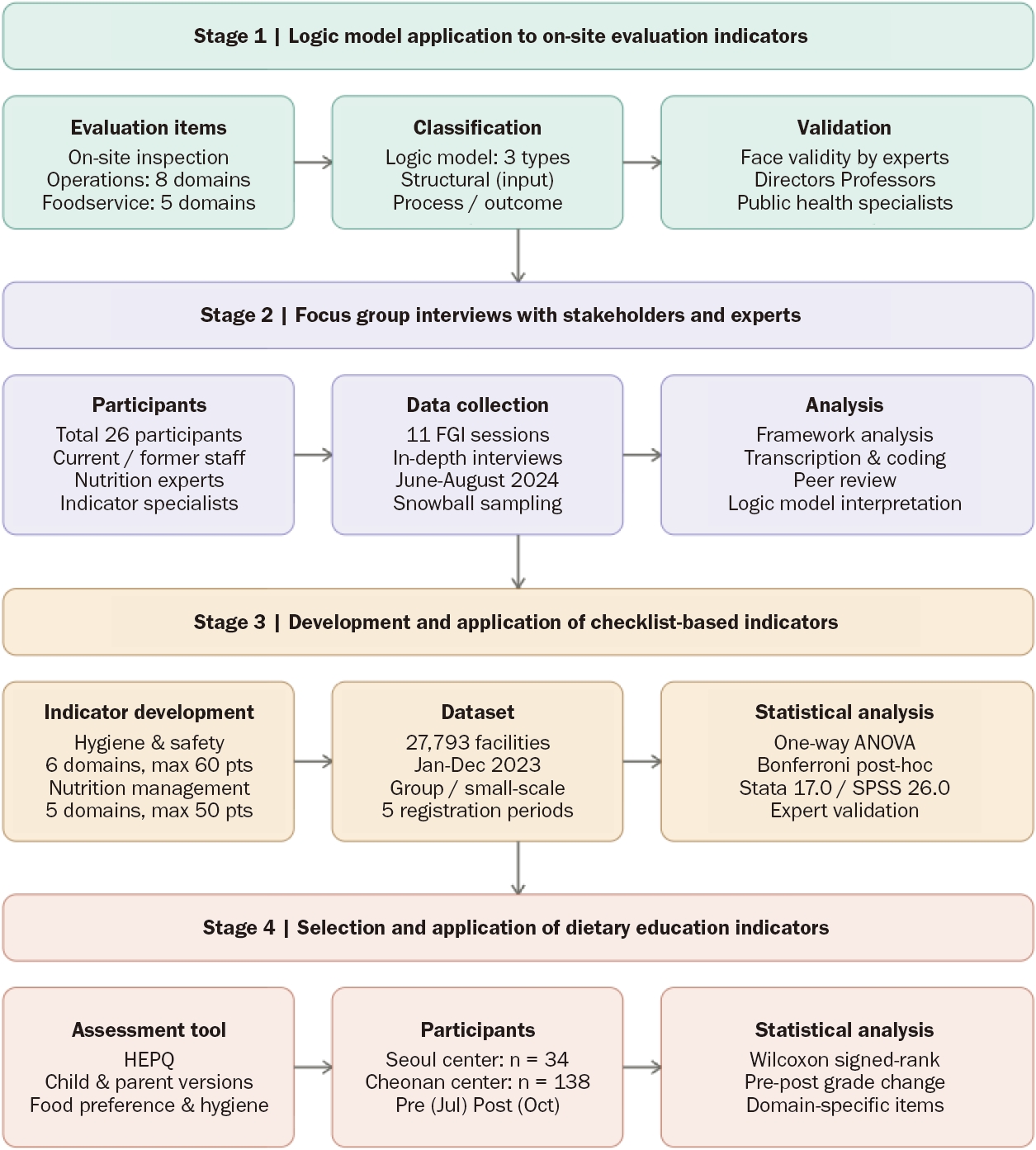
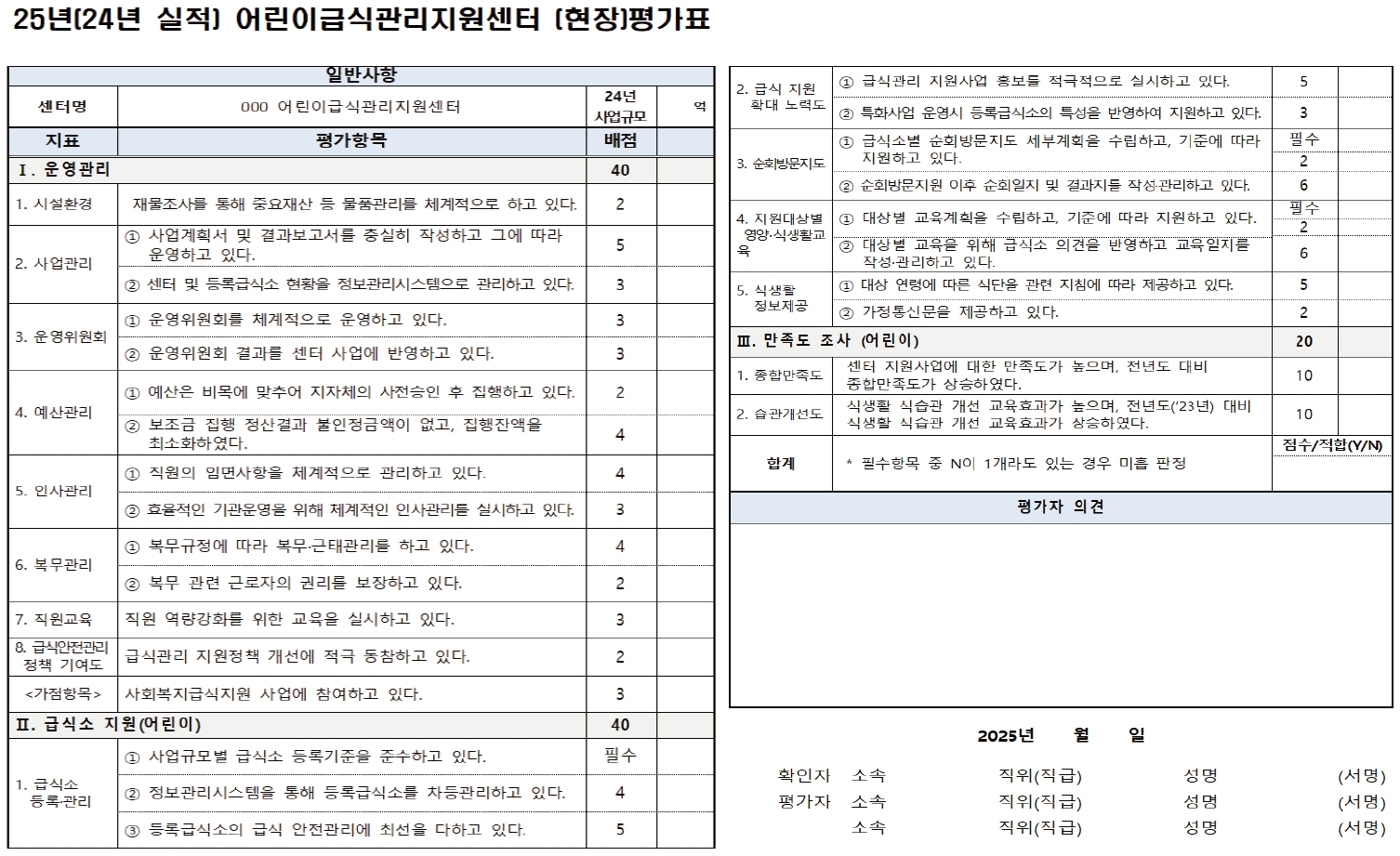
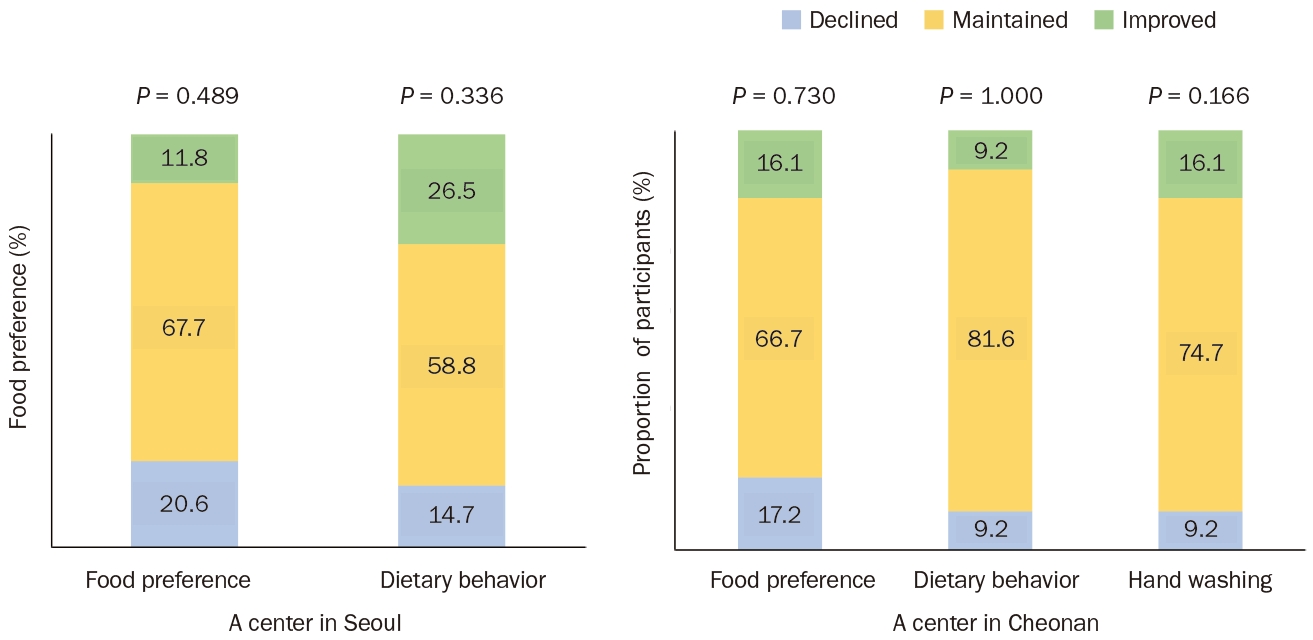

Fig. 1. Four-stage research procedure. FGI, focus group interview; ANOVA, analysis of variance; SPSS, Statistical Package for the Social Sciences; HEPQ, Healthy Eating Practices Questionnaire.
Fig. 2. On-site evaluation form for the center programs in 2025. Based on the 2023 guideline for the Center for Children’s and Social Welfare Foodservice Management.
Fig. 3. Effectiveness of dietary and nutrition education programs for children based on healthy eating practice scores. The P-values for the change between pre- and post-survey grades were obtained using the Wilcoxon signed-rank test. Declined, participants whose grade decreased from pre- to post-survey; Maintained, participants whose grade remained the same; Improved, participants whose grade increased.
Fig. 4. Proposed evaluation framework and indicators of Center for Children’s and Social Welfare Foodservice Management for children.
Fig. 1.
Fig. 2.
Fig. 3.
Fig. 4.
Analysis of evaluation indicators and development of a logic model-based performance evaluation framework for early childhood programs in the Center for Children’s and Social Welfare Foodservice Management in South Korea: a mixed-methods study
| Category | Checklist items |
Score for group foodservice facilities | Score for small-scale foodservice facilities | Rescaling (maximum score) |
|---|---|---|---|---|
| Hygiene and safety management indicators (6 items for food poisoning prevention) | ||||
| Hand washing | Verification of personal hygiene management of food handlers | 3-1-0 | 4-2-0 | 10 |
| Water quality | Water used for cooking and washing food meets drinking water quality standards | 2-0 | 4-0 | 10 |
| Proper food preparation | Designated knives and cutting boards for fish, meat, and vegetables | 3-1-0 | 4-2-0 | 10 |
| Cleaning and sanitizing | Kitchen utensils (e.g., cleaning cloths, spoons, chopsticks, tableware, containers, cutting boards, knives, and towels) are properly sanitized | 2-1-0 | 4-2-0 | 5 |
| Cleaning and sanitizing | When washing vegetables and fruits, detergents approved under the Hygiene Products Control Act are used, and only food additive–approved sanitizers are applied for disinfection | 2-1-0 | 2-0 | 5 |
| Thorough cooking | Animal-based ingredients (e.g., meat and fish) are cooked thoroughly to the core | 2-0 | 2-0 | 10 |
| Temperature control | Refrigerators are maintained at ≤ 5°C (≤ 10°C for vegetables susceptible to chilling injury), and freezers at ≤ −18°C | 3-1-0 | 4-2-0 | 10 |
| Nutrition management indicators (healthy dietary guidelines) | ||||
| Adequacy and balance | Menus are appropriate for the age of children served | 5-3-0 | 5-3-0 | 10 |
| Adequacy and balance | Appropriate portion sizes for infants and young children are recognized and provided per meal | 10-5-0 | 10-5-0 | 10 |
| Adequacy and balance | Snacks and meals are provided considering age-specific characteristics (e.g., portion size, taste, and cooking method) | 10-5-0 | 10-5-0 | 10 |
| Variety | Menus prepared by a dietitian are used as planned | 10-0 | 10-0 | 10 |
| Moderation | Recommended sodium levels for soups are recognized and meals are prepared accordingly | 5-0 | 5-0 | 10 |
| Evaluation Items | Logic model indicators | ||
|---|---|---|---|
| Structural (input) indicators | Process indicators | Outcome indicators | |
| Operational management | |||
| Facility and environment | O | ||
| Program management | O | ||
| Operational committee | O | ||
| Budget management | O | ||
| Human resource management | O | ||
| Personnel administration | O | ||
| Staff training | O | ||
| Contribution to policies on foodservice safety management | O | ||
| Food service facility support management | |||
| Foodservice facility registration management | O | ||
| Efforts to expand foodservice support | O | ||
| On-site visiting guidance | O | ||
| Nutrition and dietary education by target group | |||
| Provision of dietary information | O | ||
| Satisfaction | |||
| Overall satisfaction with center support | O | ||
| Improvement in dietary habits | O | ||
| Theme | Subtheme | Key findings |
|---|---|---|
| Limitations of current performance evaluation | Timing and content of satisfaction surveys | Satisfaction surveys were conducted before completion of annual programs, resulting in inconsistent and potentially biased responses |
| Limitations of current performance evaluation | Mismatch between evaluation indicators and actual work | Existing indicators emphasized satisfaction and predefined policy targets rather than measurable improvements in hygiene and nutrition practices |
| Limitations of current performance evaluation | Stakeholder-related bias | Directors and facilities subject to monitoring were responsible for evaluating services, raising concerns about retaliatory or defensive responses |
| Issues with standardized policy indicators | Inappropriateness of the major key dietary indicators set by the central government | Uniform indicators (e.g., handwashing, picky eating, food waste reduction) limited centers’ ability to address locally relevant needs and were considered unsuitable for some populations, especially older adults and people with disabilities |
| Education and program evaluation challenges | Lack of standardization | Educational content varied widely across centers, making nationwide outcome evaluation difficult |
| Education and program evaluation challenges | Limited effectiveness of one-off education | Single-session education programs were perceived as insufficient for producing sustained behavioral change |
| Data collection and evaluation feasibility | Subject recruitment burden | Centers were responsible for recruiting participants for evaluation, which was viewed as compromising objectivity and increasing workload |
| System-level needs | Need for standardized tools and legal basis | Participants emphasized the need for legally mandated participation, standardized guidelines, and centrally developed educational and evaluation tools |
| Center registration period | n (%) | Mean ± SD | P-value |
n (%) | Mean ± SD | P-value |
|---|---|---|---|---|---|---|
| Hygiene and safety management |
Group foodservice facilities (n = 10,962) | Small-scale foodservice facilities (n = 16,831) | ||||
| ≤ 1 | 334 (3.1) | 53.4 ± 9.4 |
< 0.001 | 443 (2.6) | 50.9 ± 10.3 |
< 0.001 |
| 1–3 | 2,680 (24.5) | 56.8 ± 6.1 |
3,544 (21.1) | 54.8 ± 7.0 |
||
| 4–6 | 2,781 (25.4) | 56.6 ± 6.3 |
4,622 (27.5) | 55.1 ± 7.0 |
||
| 7–9 | 3,361 (30.7) | 56.0 ± 6.4 |
7,017 (41.7) | 55.1 ± 6.8 |
||
| ≥ 10 | 1,806 (16.5) | 57.5 ± 5.2 |
1,205 (7.2) | 55.8 ± 6.5 |
||
| Nutrition management |
Group foodservice facilities (n = 10,924) | Small-scale foodservice facilities (n = 19,552) | ||||
| ≤ 1 | 349 (3.2) | 40.5 ± 9.6 |
< 0.001 | 544 (2.8) | 45.0 ± 8.0 |
< 0.001 |
| 1–3 | 2,632 (24.1) | 43.2 ± 8.8 |
3,913 (20.0) | 45.4 ± 7.4 |
||
| 4–6 | 2,750 (25.2) | 43.6 ± 8.6 |
5,719 (29.3) | 45.8 ± 7.1 |
||
| 7–9 | 3,402 (31.1) | 42.3 ± 10.0 |
8,005 (40.9) | 45.3 ± 7.8 |
||
| ≥ 10 | 1,791 (16.4) | 44.5 ± 8.0 |
1,371 (7.0) | 45.8 ± 7.4 |
||
Table 1. Evaluation indicators based on checklist scores for hygiene, safety, and nutrition management
Based on the 2023 guideline for the Center for Children’s and Social Welfare Foodservice Management.
Table 2. Application of a logic model to on-site evaluation indicators of Center for Children’s and Social Welfare Foodservice Management programs
Table 3. Major themes and subthemes across focus groups and in-depth interviews
Table 4. Evaluating applicability of suggested checklist indicator based on center registration period and facility size
The total score for hygiene and safety management domain is 60. The total score for nutrition management domain is 50. Different superscripts indicate statistically significant differences among group means after Bonferroni adjustment.



